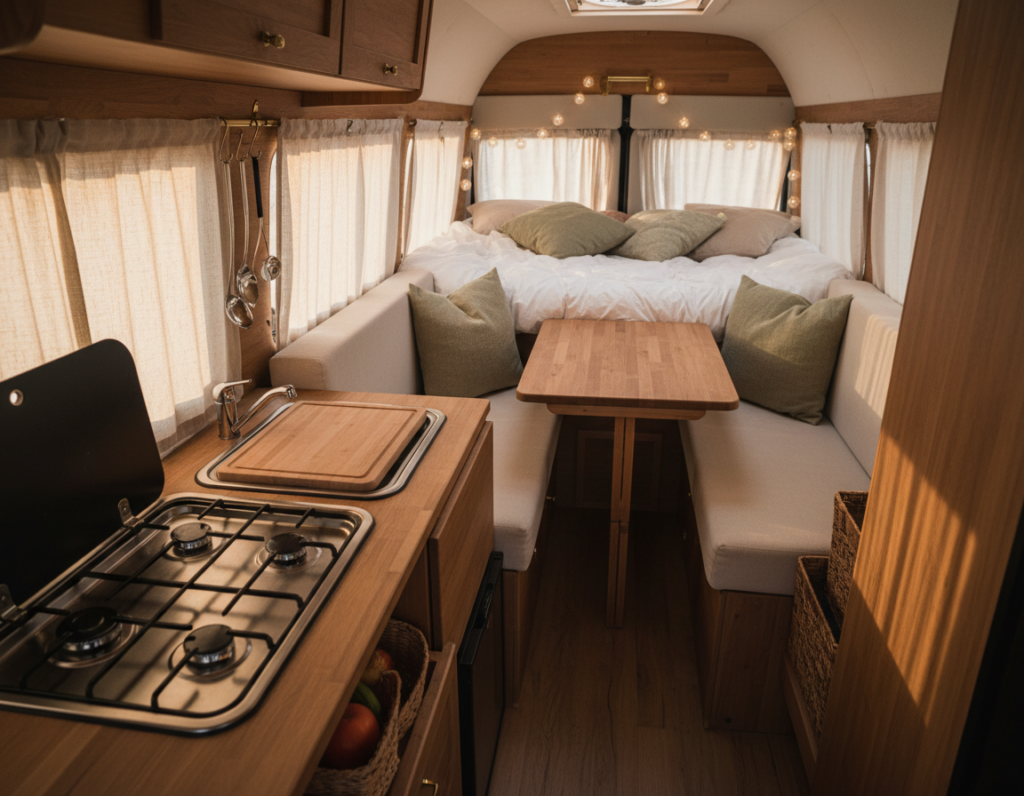
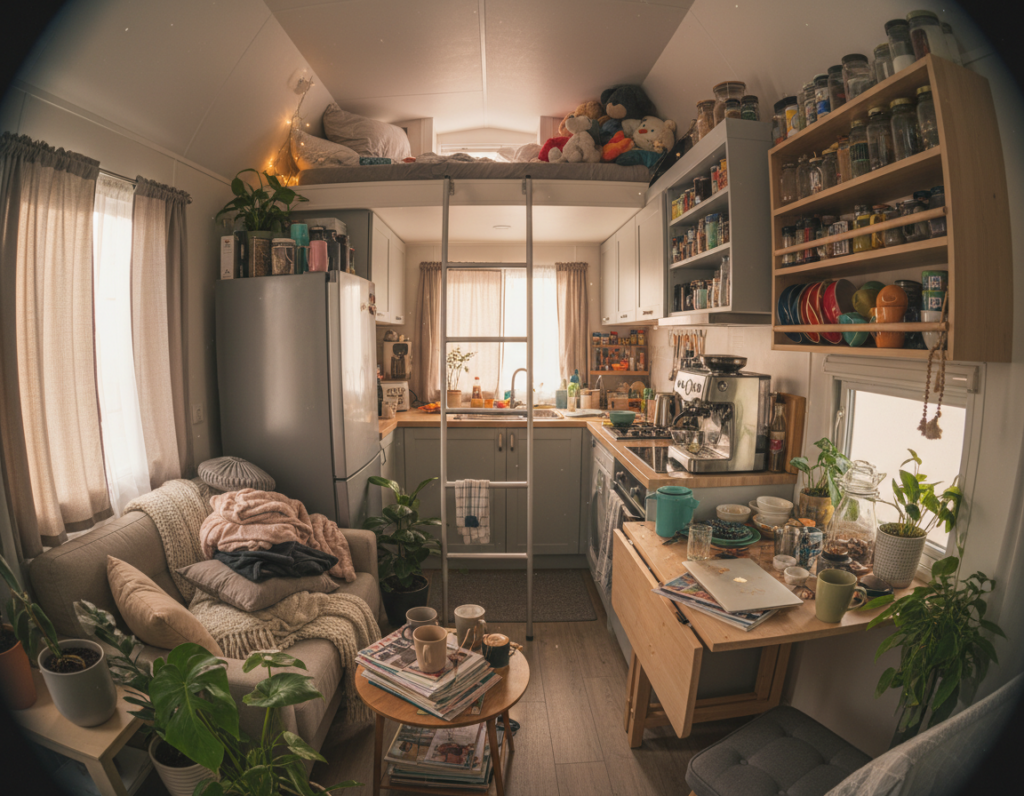
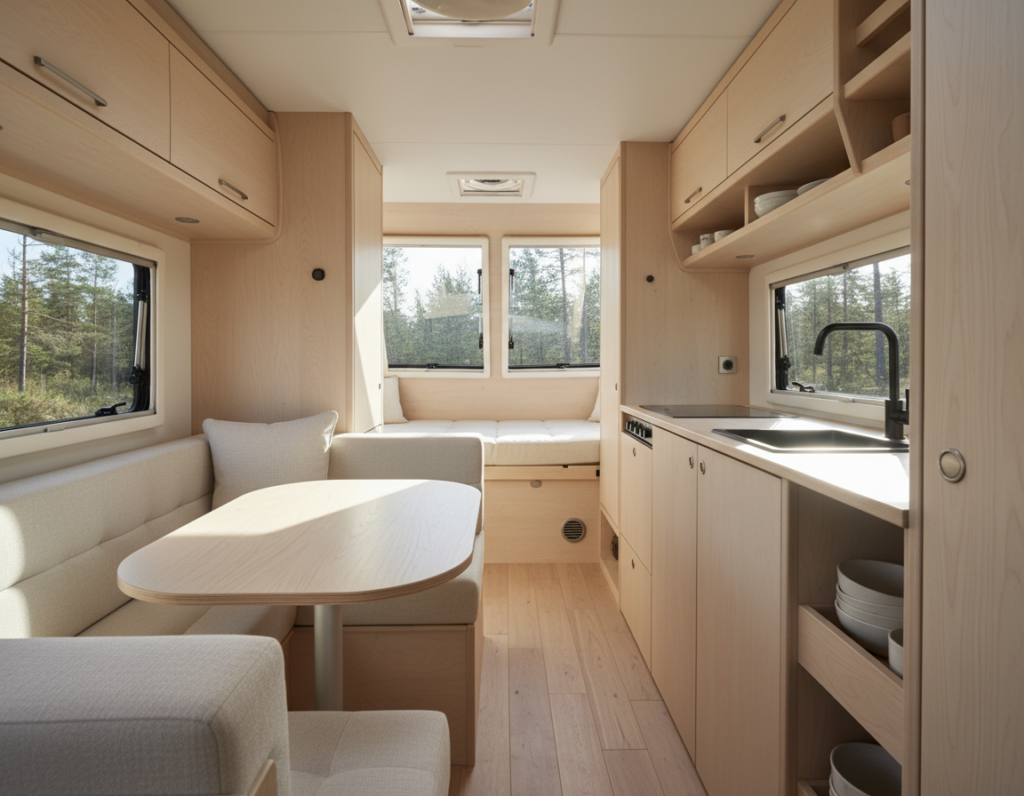
Many who lived on the road found that downsizing required a real change in habits. They audited every item in their home before moving and discovered that most products became unnecessary.
Adopting minimalism meant removing stuff that blocked storage and took up precious space. This made the camper more functional for work, rest, and travel.
People learned to prioritize experiences over things. Managing water and power became part of daily routines, and each day offered a new opportunity to refine gear and bag contents.
The most difficult part was letting go of items once thought essential. Yet many reported that a tidy living van cleared their mind and gave them greater freedom on the road.
The Philosophy of Minimalist Van Life
“True freedom often follows a sharper focus on essentials.”
The philosophy centers on rising above society’s idea of a traditional home. People find that removing clutter makes more room for purpose and experiences.
The Mercedes Metris has long been praised for its reliability in conversions. It gives a sturdy foundation for those seeking a simple, mobile lifestyle on the open road.
Embracing minimalism is not deprivation. It is about creating space for the people and moments that matter most. When occupants stop chasing stuff, they gain a clearer sense of purpose and a quieter mind.
- Design every part of a conversion to favor function over flair.
- Choose gear that supports sustainable living and treads lightly on the planet.
- Let the camper become an enabler of meaningful experiences, not a storage unit.
“The most exhilarating experiences are often found off the beaten path.”
Assessing Your Current Inventory
Before packing up, a careful inventory reveals what truly earns space on the road. This assessment is a practical step that saves time and stress later. It also helps define the essentials for daily routines.
Categorizing Your Belongings
Start by grouping items into clear categories: kitchen, clothing, tools, paperwork, and tech. Sorting makes it obvious what can be consolidated or removed.
Quick tips:
- Keep only multi-use gear that serves more than one purpose.
- Label boxes so access is fast and predictable.
- Donate or sell things that haven’t been used in months.
The Rule of Frequent Use
The Rule of Frequent Use states that if you haven’t used an item recently, you probably don’t really need it. Be honest: you’ve got to be ruthless with storage in a small mobile home.
“Every square inch is a resource — treat it like currency.”
Many travelers find they really need far fewer items than expected. For a practical primer on essentials and packing strategies, see the minimalist van living essentials guide.
Streamlining Your Kitchen and Dining Gear
Travelers found that a tidy galley made every day easier on the road. Clearing excess items created more room for important storage and reduced stress during meals.
Adopting Compact Coffee Routines
The Pakt coffee kit is a game changer: it packs all brewing components into a 12″ x 5″ container. This small kit frees cabinet space and keeps coffee prep quick.
- Choose multi-use gear to save room and avoid extra items.
- Switching to boxed wine like Black Box Cabernet Sauvignon saves space and cuts glass clatter on the road.
- Stock dry staples and canned goods for longer stretches between grocery stops.
- Use stackable containers to manage water and food efficiently.
“Every item should earn its place; if it doesn’t, it shouldn’t take up storage.”
By favoring compact, high-quality gear, they kept the kitchen functional without sacrificing comfort. The result was a cleaner space and more time to enjoy the trip.
Rethinking Personal Care and Beauty Products
Simplifying beauty and hygiene was a small step that yielded big gains in storage and time. Travelers learned that one compact kit can replace a whole shelf of bottles and tubes.
Ditching Excessive Beauty Standards
People stopped chasing routines that required dozens of items. They found fewer things kept them confident and reduced waste.
“Every item should earn its place.”
Transitioning to Multi-Use Soaps
Multi-use soaps handle body, hair, and even dishes. A single bar saves space and cuts down on plastic while still cleaning effectively.
Managing Hygiene Supplies
Practical picks became staples. Schmidt’s natural deodorant in lavender and sage avoids irritation and fits small storage. The Godefroy Tint Kit is a $20 option for eyebrow touch-ups that removes the need for bulky makeup. For hair care, It’s a 10 miracle leave-in helps hair stay healthy between washes.
- Choose items that serve more than one purpose.
- Keep only essentials that people really need for a day on the road.
- Ask a friend for product recommendations to avoid trial-and-error waste.
These changes freed up space in the camper and gave travelers more freedom to enjoy the journey rather than fuss over a mirror.
Optimizing Your Wardrobe for the Road
Packing clothes for full-time travel means choosing items that work from trailheads to coffee shops.
Choose versatile pieces. Favor layers, neutral colors, and fabrics that move easily between work and outdoor time.
A single, high-quality bag like the Pakt travel backpack stores a laptop, chargers, and a compact change of clothes. This frees cabinet space and shortens daily prep.
- Limit shoes: pick one durable pair for hiking and one casual pair for town.
- Pick breathable, quick-dry fabrics for faster laundry cycles.
- Sell or donate items not worn in a year to reclaim room for essential gear.
“Every item should earn its place.”
Many found they could fit their entire wardrobe into one bag and do laundry weekly. That small change cut clutter and lowered decision fatigue so they could enjoy van life on the road.
Digital Solutions for Reducing Physical Clutter
A well‑chosen set of apps and devices can turn heaps of paperwork into a single compact tablet. This approach frees valuable space and reduces the weight of extra things on the road.
Replacing Media and Paperwork with Digital Alternatives
Using a Kindle or tablet replaces stacks of books and paper manuals. A Netflix plan at $9.99 per month removes the need to carry DVDs and cases.
Managing bills online and enabling automatic payments cuts paper and saves time. Smartphones act as a central hub for navigation, email, and banking so fewer separate gadgets are required.
- Keep a secure bag for laptops and cameras when working in cafes or libraries.
- Plan power sources so devices stay charged; reliable power keeps work and entertainment running.
- Store important files in the cloud for quick access and less storage burden.
“Digital tools clear the mind and open up a more breathable living space.”
By shifting media and documents to digital formats, travelers reclaim usable room in the van and cut waste. These practical solutions support freedom on the trip and make every day easier.
Implementing Smart Storage and Layout Strategies
Good storage design makes everyday tasks faster and prevents clutter from taking over small spaces. A clear plan sets the purpose of each zone so the camper works for living, cooking, and work without extra effort.
Prioritizing Accessibility
They prioritize access to daily essentials. Items used every day, like shower products, kitchen gear, and a first aid kit, sit within easy reach.
Labeling bins and keeping a dedicated compartment for shoes or a bag prevents dirt and saves time. You’ve got to give every item a home to avoid moving things to reach another.
Utilizing Vertical Space
Vertical solutions free floor room and open the interior. Shelves, hanging organizers, and modular furniture turn walls into usable storage.
- Use compression bags for clothes to protect gear and reclaim space.
- Keep water and power systems planned with accessible switches and meters.
- Design compartments so essentials are reachable during an emergency or while on the road.
Smart solutions focus on routines. When the layout supports cooking, sleeping, and work, the van feels larger and clutter stays under control.
Conclusion
Conclusion
Small changes to storage and routine often make the biggest difference on long trips. By removing visual clutter and keeping only useful products, people reclaim space and save time.
Minimalism in travel is a personal journey. Each setup should reflect real needs and evolve with experience. The goal is freedom: more moments for experiences and friends, less for chasing things.
Whether adjusting the kitchen, a compact shower kit, or general storage, aim for purpose and peace of mind. These tips help travelers craft a living van that supports daily routines and keeps the mind clear for the next adventure.