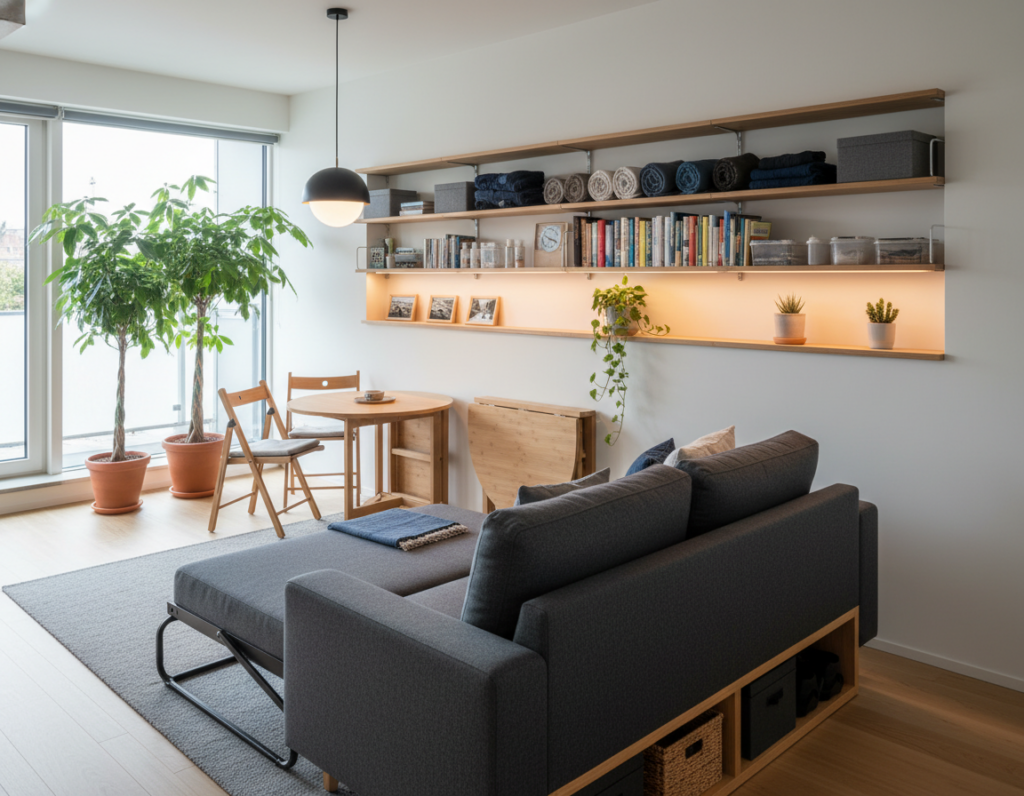
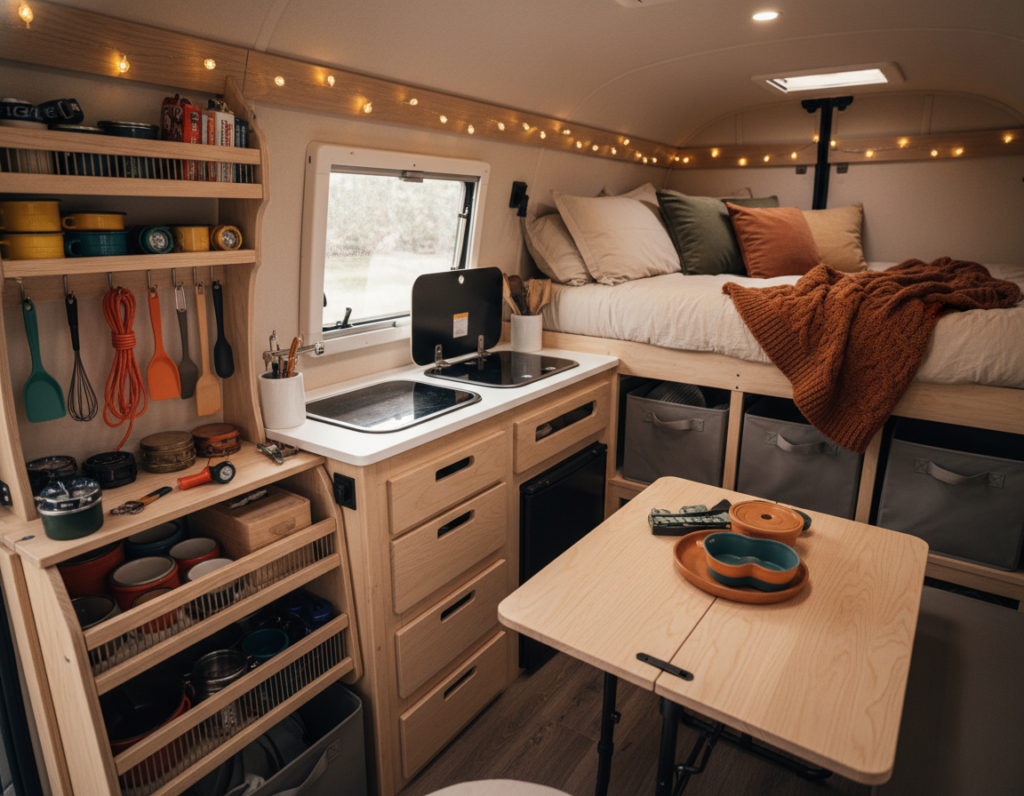
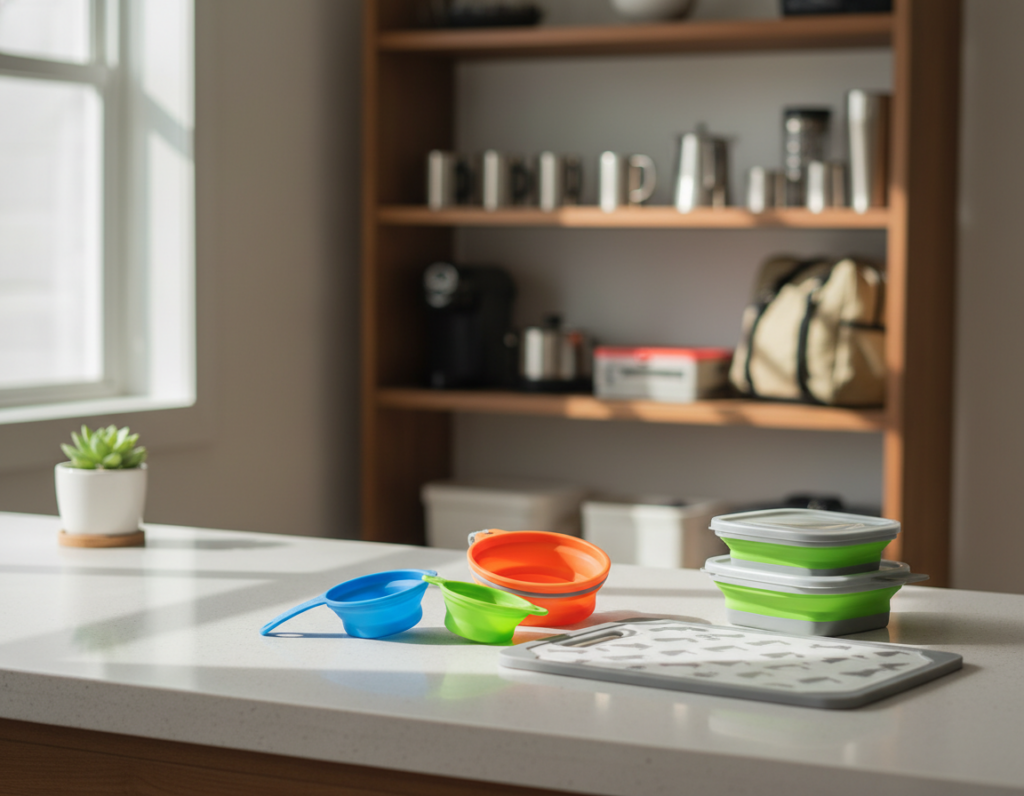
Living in a small space can feel limiting, but simple changes make a big difference. Professionals like Sam Zoldock note that clear space organization is the first step toward a calmer living space.
By choosing clever storage solutions, a person can keep everyday items easy to find and out of sight. These methods help the home stay tidy while using the same square footage.
Consistency matters. When every object has a designated place, maintenance becomes fast and stress drops. The guide that follows highlights practical space organization ideas to boost storage and preserve visual calm.
Key result: Prioritize purposeful space use and storage that fits the way people live. That focus frees time and attention for what truly matters in a busy life.
The Philosophy of Minimalist Organization
Minimalist thinking reshapes how people keep belongings, turning each item into a conscious choice. This approach reduces visual noise and clarifies how the home functions day to day.
Effective space organization starts with a swift, honest review of possessions. Experts advise removing duplicates and items that no longer serve a practical or emotional role. That ruthless edit frees up storage and helps small spaces feel larger.
- Decide what to keep by use and joy.
- Choose symmetrical storage to make rooms feel balanced.
- Commit to a regular purge to protect the living space.
Design choices should support habits, not complicate them. By curating possessions, a person builds a more intentional way of living and reduces the need for excess storage. For simple routines and further guidance on minimalist practice, see minimalist habits.
Essential Compact Organization Ideas for Every Room
A few smart containers and a mobile cart can change how a small home functions every day.
Stackable Bins and Baskets
Stackable bins make the most of vertical space in a closet, pantry, or bedroom shelf. They keep similar things grouped and make it easy to find supplies fast.
Use clear bins or labeled baskets to reduce time spent hunting for items. Built-in bed drawers work the same way, freeing the floor while storing seasonal clothes or bedding.
Rolling Cart Systems
Rolling carts create mobile zones for cleaning supplies, office tools, or crafting materials.
The IKEA RASKOG cart is a popular choice because it fits small spaces and moves where it’s needed. A cart plus stacked bins gives flexibility without cluttering the room.
- Shoe storage: stackable organizers can double capacity from 12 to 24 pairs in the same footprint.
- Group similar items in labeled bins to keep the floor clear and save time during cleaning.
- Combine cabinet organizers and shelving to use every inch of closet and cabinet space.
Designating zones for specific things helps families maintain a tidy living space. Small changes like racks or drawer organizers keep rooms efficient and calm.
Mastering Vertical Space with Wall Solutions
Walls offer an instant way to add useful shelving without shrinking usable floor space. When living areas are tight, looking upward becomes the most efficient way to add function and style.
Installing floating shelves is a premier solution for mastering vertical space. Floating shelves hold books and decor while leaving the floor clear for movement and cleaning.
Installing Floating Shelves
Start by measuring wall stud locations to secure heavy loads. Use a level and proper anchors so shelving stays stable over time.
- Floating shelves save valuable floor space and create visual height in a small space.
- A wall-mounted rack or closet rack adds targeted storage for coats, bags, or tools without bulky furniture.
- Adding shelving near a work nook or entryway keeps items organized and off the floor for easy vacuuming.
Pro tip:
“Look up to find hidden storage potential—walls are often the most underused asset in any room.”
For more ways to transform wall storage into a cohesive design, see transforming small spaces. Choosing to maximize vertical lets homeowners display personal pieces and keep main living areas uncluttered.
Selecting Multi-Functional Furniture
Choosing furniture that pulls double duty turns even the smallest room into a flexible living area.
Beds with hidden storage are a smart way to maximize a bedroom. A bed with drawers or a lift-up base stores linens, seasonal clothes, or extra blankets out of sight.
A coffee table or cabinet that doubles as storage keeps living room items tidy. It maintains a clean design while giving quick access to remotes, magazines, and daily items.
Shelving units that act as room dividers create distinct zones in small spaces. This approach saves floor area and adds practical shelving that holds books or decorative pieces.
“Every piece of furniture should earn its keep—beauty and function in one item.”
Fold-down desks and wall-mounted shelves offer a dedicated work area that disappears when not in use. A small closet or cabinet can hide a home office in seconds.
- Save space by choosing furniture that serves storage and style.
- Prioritize pieces that adapt as needs change over time.
- Measure before you buy to ensure the piece fits the space and doorways.
Taming Small Supplies with Drawer Dividers
A well-planned drawer turns scattered odds-and-ends into an easy, everyday system. Simple dividers and clear containers bring order to small supplies in the kitchen, office, or closet.
Honeycomb dividers create defined pockets for socks, chargers, and stationery. They stop items from shifting and make each drawer feel intentional.
Honeycomb Dividers
Use soft foam or modular honeycomb panels to build compartments that match the things stored. This method works well in bedroom drawers and a pantry drawer for small packets.
Clear Container Visibility
Clear bins and glass jars offer instant visibility. When people can see contents at a glance, they avoid duplicate purchases and find supplies fast.
- Install cabinet organizers to free up storage space in a small cabinet or pantry.
- Place clear bins on shelves so an organizer can track things easily.
- Label each compartment so the home runs smoothly and drawers stay tidy.
“Give every small item a home and the mess disappears.”
Creative Ways to Manage Paperwork
Paperwork can overwhelm a small home unless a clear system channels each sheet to a reliable spot. A tidy plan keeps the desk, shelves, and entryway free from piles and makes the most of every space.
Implementing Color-Coded Filing
Color-coded folders help people sort bills, warranties, and receipts at a glance. Use one color for taxes, another for household manuals, and a third for medical records.
Place labeled cabinet organizers or wall-mounted door pockets near the entry. That keeps important items accessible and prevents mail from spreading across a room.
- Use the “System of Three”: shred or toss, file, or take action immediately.
- Dedicate a single closet or a shelf for sensitive files to secure records without losing living room style.
- Try a vertical door organizer for incoming mail to stop stacks from forming on flat surfaces.
“Shred, file, or act—make one choice for every paper that comes in.”
Keep a short weekly routine. Regular attention makes paperwork simple and keeps the home calm and functional.
Utilizing Door and Closet Real Estate
Unused door real estate often becomes the easiest place to add instant storage. Small adjustments here free up floor space and make daily routines smoother.
Over the Door Organizers
Over the door organizers turn a flat surface into a set of shelves for toiletries, pantry items, or accessories. They are a fast way to maximize vertical space without tools.
Tip: Choose clear pockets or labeled bins to see contents at a glance.
Shoe Storage Solutions
Installing a shoe storage rack on the back of a closet door keeps footwear off the floor. This shoe solution protects shoes and clears the entry or bedroom floor instantly.
Use slim racks for flats and shelves for boots to fit the closet depth and bed layout.
Command Hook Utility
Command hooks provide a no-damage method to hang bags, hats, towels, or lightweight tools on a door or inside a closet. They keep items visible and accessible.
Many homeowners pair hooks with small shelves or cabinet organizers to make a custom system that fits their living space.
“Maximizing vertical on doors frees up valuable floor space and keeps a home feeling open.”
- Use racks and bins to protect shoes and reduce clutter in drawers.
- Mix hooks and shelves to tailor storage for the closet or pantry.
- Keep heavier items in cabinets and lighter items on the door for balance.
Maintaining a Clutter-Free Environment
Daily five- to ten-minute tidy sessions protect floor space and reduce larger chores later.
They build a habit of returning things to their designated storage. Experts like Sam Zoldock recommend setting a simple timer to make the practice routine.
Continue to maximize vertical space and use door organizers so the home stays flexible as needs change. Wall hooks, shelves near a bed, and narrow racks keep surfaces clear.
Periodically re-evaluate your space organization ideas. Purge items that are no longer used so storage areas do not overflow.
“A brief daily tidy saves hours of work later and keeps the living space welcoming.”
When residents prioritize this steady approach, they save time and keep each room calm. Clear floors, smart vertical choices, and regular purging make small spaces feel open and useful.
- Commit to a short daily tidy.
- Review storage every few months and remove unused things.
- Keep floor and door areas free to enhance design and flow.
Conclusion
With a clear plan and steady effort, even the smallest rooms become calm and efficient. Small, regular steps build habits that protect the room the most.
Mastering small space organization is ongoing but it pays off with a more functional and peaceful home. By using simple storage and deliberate placement, a person can manage belongings and shape living space that feels open.
Remember to maximize vertical space whenever possible. That approach expands capacity without adding bulk. Consistency keeps systems working so the home stays tidy for the long term.
The right mix of tools and routines turns these organization ideas into lasting change. Use them to make your small space a clutter-free, practical sanctuary that fits daily life.