Since 2016, experienced travelers learned that cooking in a camper requires choosing tools for quick cleanup and compact storage. Many who started with bulky gear found those purchases wasted after a few trips.
The piece explains why a curated list of items matters. It highlights how saving space and saving time changes what works for daily meals.
Readers will find practical tips from seasoned campers on avoiding costly gadgets that end up on sale or in storage. The guide shows which cookware and appliances deserve investment and which to skip.
Outcome: a compact setup that supports healthy cooking and keeps the area tidy. This lets creativity thrive instead of clutter causing constant frustration on the road.
The Reality of Outfitting Your Van Life Kitchen Essentials
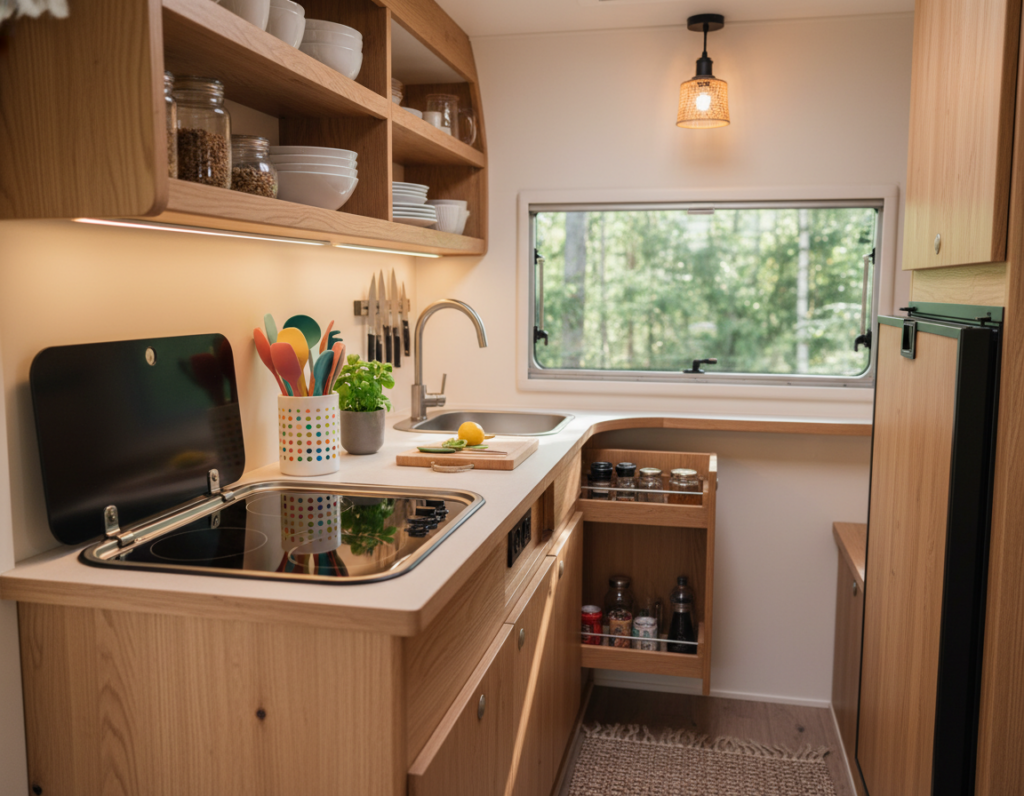
Creating a usable cooking setup in tight quarters requires prioritizing multifunctional items. People who plan for storage first avoid clutter and constant frustration.
They learn that many things bought early are unnecessary. Bulky sets of cookware and extra utensils often end up on sale because there is nowhere to stash them.
A successful compact setup focuses on durability. A single, high-quality knife and a few sturdy tools handle most tasks and survive bumps on the road.
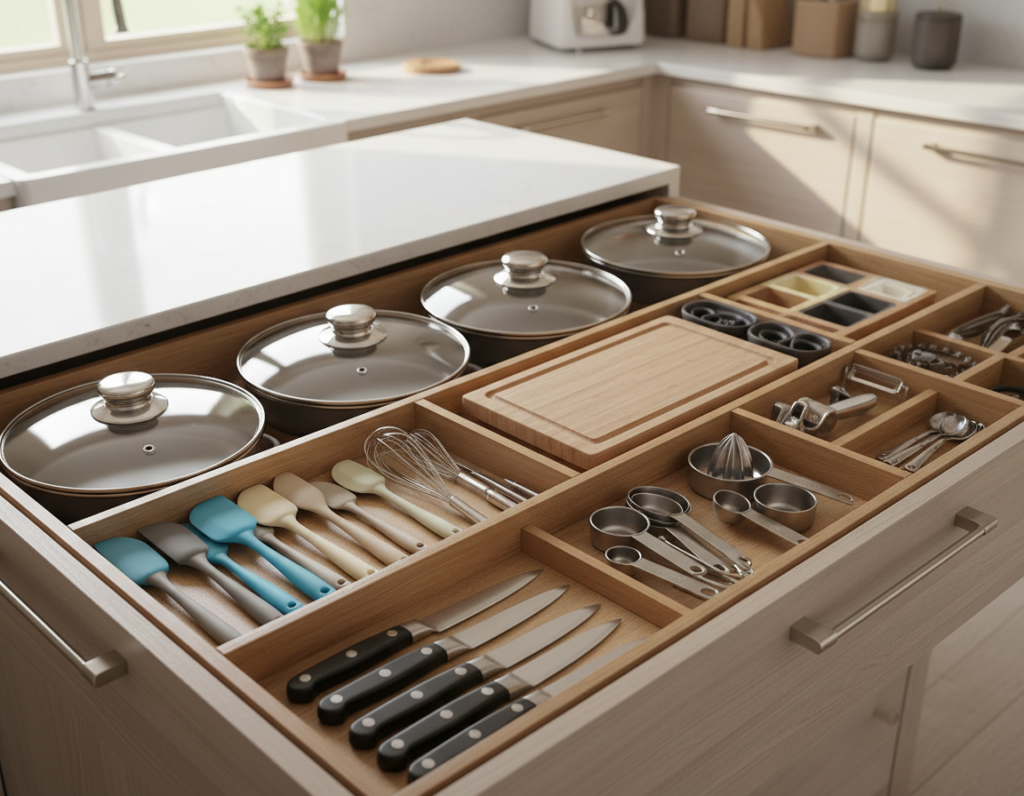
Choose items that nest or stack and serve more than one purpose. Multipurpose gear replaces several tools and keeps counters clear for cooking and prep.
- Prioritize compact, durable pieces.
- Limit duplicate things; pick multipurpose items.
- Create a simple routine to keep the area tidy.
Common Pitfalls with Major Cooking Appliances
Big devices often promise convenience, but they can demand power, space, and patience in tight quarters. Picking an oven or stove affects wiring, fuel, and how people plan meals day to day.
Induction vs Propane
Induction offers clean heat and fast boil times, but it depends on battery bank and inverter capacity. That makes power planning essential.
Propane stays simple and reliable for long drives. Ali Slagle notes that a good camp stove often outperforms some home appliances when it comes to boiling water and managing temperatures.
The Air Fryer Debate
The Instant Pot Vortex Mini is a common pick because its 2-quart size cooks vegetables and tofu without wasting counter space. It mimics an oven’s crisping power while saving room.
However, an air fryer adds another plug and another storage spot. People should weigh how often it will be used versus how much space it consumes.
Pressure Cooker Utility
A small pressure cooker is often one of the most useful items for quick, hands-off meals like rice or beans. It reduces cooking time and cuts fuel use.
When choosing appliances, they should test how each pot, pan, and utensil nests before finalizing a purchase. That prevents future items from going on sale or into storage.
- Match stove type to power and fuel plans.
- Favor compact ovens or minis that fit storage and counter needs.
- Prioritize tools that speed meal prep and save space.
For practical tips on setup and usable gear, see cooking in a camper van kitchen.
Why Bulky Blenders and Gadgets Often Go Unused
In compact rigs, single-purpose gadgets tend to steal precious storage and seldom earn their keep.
The Rossmonster Baja Trail truck camper highlights this clearly. A full-sized Vitamix looks powerful but takes up counter space and a cabinet slot.
Many travelers regret hauling large blenders because cleaning them after a long day on the road wastes time. They also reduce usable space for prep and other tools.
Practical alternatives include a small personal blender or a hand blender. These options handle smoothies, sauces, and quick food prep with less fuss.
- Choose multipurpose tools to avoid unitaskers that end up on sale.
- Pick gear that cleans quickly and nests for storage.
- Prioritize items that save time and support daily meals and coffee prep.
Tip: Test size and cleanup before buying. That helps keep the van kitchen functional and frees time to enjoy travel.
Selecting Durable Cookware That Saves Space
Choosing cookware that nests neatly changes how much usable storage and counter space a traveler actually has. A focused approach prevents buying duplicate items that later go on sale.
Benefits of Nesting Sets
Investing in a nesting set like the Magma Nesting Induction Stainless Steel Cookware saves room and cuts weight. The set stacks inside one another and frees up cabinet storage for utensils and food.
When pans and pots nest, packing and unpacking take seconds. That simplicity keeps daily routines fast and reduces clutter on the stove or work surface.
Stainless Steel vs Nonstick
Stainless steel holds up better to vibration and frequent use than many nonstick coatings. It tolerates higher heat and is less likely to flake after rough travel.
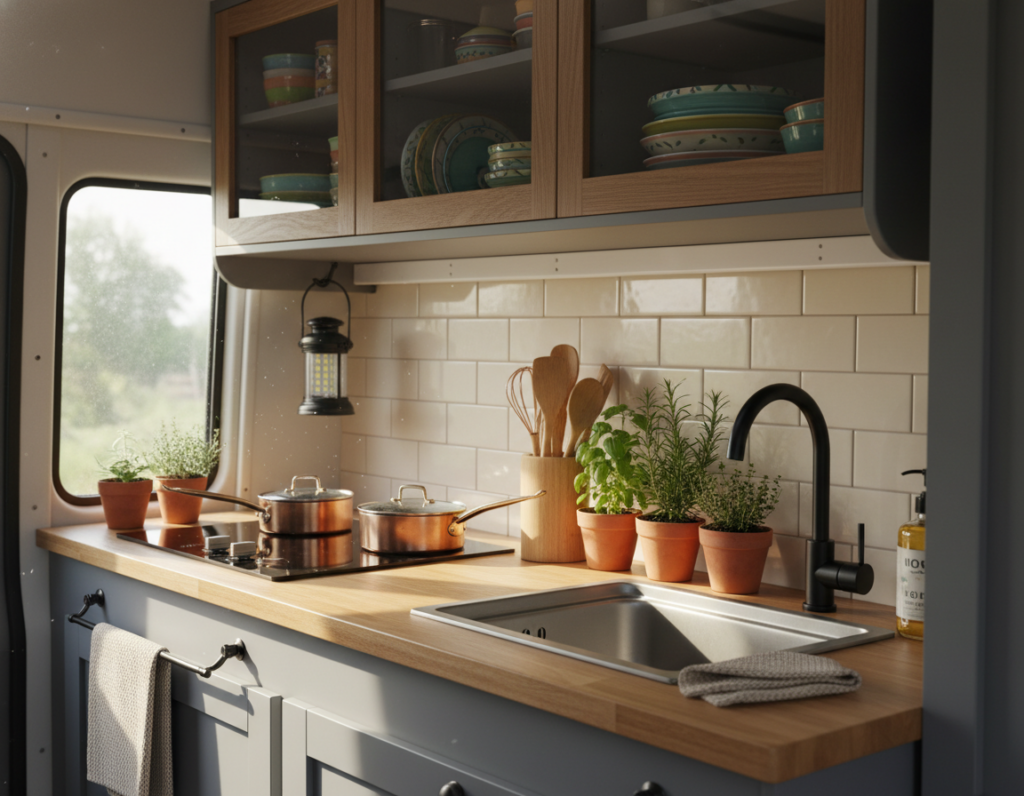
Ensure pans and the pot are compatible with an induction cooktop if one is used. A reliable knife and a few versatile tools complete a compact set and often remove the need for a bulky oven.
- Pick magnetic stainless sets for induction.
- Favor nesting pieces to maximize storage.
- Choose durable pans that perform multiple roles.
The Truth About Breakable Dinnerware
Many travelers learn the hard way that fragile dishes rarely survive months on the road.
After years on the move, people swap glass and ceramic for durable alternatives. Replacing breakable plates with stainless steel or enamel items cuts cleanup time and prevents shattered cookware after a bumpy drive.
A compact set of bowls and plates made for camping withstands rough storage and off-road jolts. Those items save headaches and keep the small kitchen tidy.
When cooking, a dependable pot, a reliable pan, and a sharp knife offer more value than a matching fragile dinnerware collection. Travelers often regret buying things on sale that were never built for constant movement.
- Choose durable materials that last for years.
- Favor practical items over decorative things.
- Test how pieces stack and stow before buying a full set.
Essential Coffee and Tea Gear for the Road
A consistent cup of coffee is often the single comfort travelers rely on during long days on the road.
Good brewing gear saves time, cuts cleanup, and supports daily cooking routines in tight spaces. The right choices make a small camper feel orderly and calm.
Choosing the Right Coffee Maker
Aeropress is a top pick for many because it is compact, simple to clean, and produces rich, low-acid coffee with minimal waste.
It fits storage well and delivers a reliable cup whether they stop for a morning hike or a long afternoon drive.
- Insulated mug: A Yeti Rambler keeps coffee and tea hot for hours and prevents spills on bumpy stretches.
- Boiling water: Compact electric kettles offer fast, safe heat for tea or pour-over coffee.
- Versatile bowls: A few sturdy bowls work for breakfast cereal, soup, or a quick meal after a day outdoors.
Tip: Watch for deals, but buy durable gear over bargains that fail quickly. A well-chosen set transforms the morning ritual into a steady, home-like moment no matter where the van travels.
Smart Food Storage Solutions for Tiny Spaces
Smart storage turns tiny quarters into a practical pantry, not a cramped pile of food and gear.
Efficient packing matters because every inch affects meal prep and cleanliness. A dual-zone fridge like the Dometic CFX3 75DZ lets travelers keep fresh produce and frozen items for up to three weeks. That reduces grocery runs and frees time for the road.
Collapsible containers and stackable bins make the most of cabinet space. When empty, these items flatten to save room. Durable, non-plastic choices last longer and cut waste.
- Plan containers by size and frequency of use to avoid clutter.
- Use a quality fridge for long trips and cooler weather reliability.
- Label shelves for coffee, snacks, and water to speed meal prep.
Tip: watch for a good sale when buying storage gear so durable pieces cost less. Thoughtful layout keeps the van kitchen organized and makes cooking on the road a steady, pleasant routine.
Cleaning Tools That Actually Make Sense
A well-planned cleaning routine can save time and stop small messes from turning into daily headaches. In a small camper, the right tools matter more than having lots of items.
Quick wins: a compact sink like the SpinFlo Kitchen center makes washing dishes and hands simple. A sturdy dish brush and a set of microfiber towels cover most cleanup tasks.
Eco-Friendly Cleaning Habits
Use biodegradable dish soap to protect local water and campsites when rinsing near natural areas. Measure water and avoid running taps; that saves both water and time.
Managing Grey Water
Contain grey water in a tight system and empty it where regulations allow. Keep wash water low by pre-scraping pans and utensils and using two basins: one soapy, one rinse.
- Minimal kit: SpinFlo sink, dish brush, microfiber towels.
- Waste-wise: low-flow rinse and eco soap to protect water sources.
- Smart buys: durable cleaning gear often goes on sale, so pick long-lasting pieces.
Keeping a tidy space reduces stress and lets people enjoy meals and travel without constant cleanup. A small, honest system beats lots of single-use things every time.
Final Thoughts on Curating Your Mobile Kitchen
Prioritizing a few durable pieces keeps the camper organized and ready to cook. They should focus on high-quality cookware, a sharp knife, a reliable pot, and a small set of bowls. This reduces clutter and frees up space for food and travel gear.
People often prefer an induction option or a simple stove based on power plans. Look for sales when upgrading, but buy items that stand up to constant movement. A good coffee setup and versatile tools speed morning routines and make meals feel more like home on the road.
Curating a mobile kitchen is ongoing. Test gear, pare down, and choose what helps you cook well and explore more.