After nine years living in a 100-square-foot truck camper, the author learned a hard lesson: too many things ruin the experience. A messy first attempt in 2016 pushed them to rethink every item on the list.
This short post introduces a practical guide and a clear packing list to save space and time. It shows how to streamline daily routines, manage laundry, and free up room for true adventure.
The aim is simple: keep essentials and ditch what collects dust. Travelers who adopt this way spend more days hiking and less time organizing cabinets. This approach transforms life on the road into a manageable, enjoyable journey.
The Philosophy of Minimalist Van Packing
Over three years on the road taught the author to treat every item as a decision, not an afterthought. That time sharpened what matters in a compact van life and cut down on things that stole energy.
Adopting a clear process means evaluating every single object before it comes aboard. The practice of minimalist van packing is a deliberate filter: does this serve daily use, comfort, or safety?
They recommend a short audit routine. Set aside an hour to test items and ask if they earn their spot. This keeps the mobile home a place to relax after long drives, not a storage locker.
“Removing excess turns the vehicle into a sanctuary rather than a cluttered box.”
Downsizing takes patience. Over the years the author refined choices, learning that fewer things free more time and sharpen the joy of life on the road.
- Audit regularly to avoid repeat overpacking.
- Prioritize multiuse items and comfort.
- Let edits evolve as needs change.
Why Less Gear Leads to More Freedom
Cutting what you don’t use frees up both storage and headspace on every trip. This approach gives travelers more room for the things that truly enhance a journey.
Streamlining gear is not about deprivation. It is a practical way to reclaim space, reduce chores, and spend less time searching for essentials.
Storage Space Benefits
With fewer items aboard a 1991 Hymer or modern camper, every drawer becomes valuable real estate. Organized storage makes room for gear that matters, like a quality stove or an extra blanket.
A simple packing list helps decide what stays. When storage areas are tidy, the van holds useful things instead of clutter.
- More space for essentials and safety gear.
- Clear drawer layouts that save minutes each morning.
- Less weight, which improves fuel efficiency and handling.
Mental Clarity on the Road
Removing unneeded gear after years of travel restores calm. Travelers report they waste less time digging for items and more time enjoying the scenery.
“When storage is calm, the trip feels calmer too.”
The freedom of van life is tied to how little they carry. Fewer possessions mean more time to hike, read, or simply watch a sunset on the road.
Streamlining Your Wardrobe for the Road
A streamlined wardrobe keeps decisions simple when life moves between trails and town.
Choosing Versatile Fabrics
Pick fabrics that work hard: merino wool, polyester blends, and nylon dry fast and resist odors.
Versatility matters because one shirt can serve on a hike and at coffee with friends. Durable socks like Darn Tough handle long days on the road and reduce replacements.
Quick-dry items cut laundry time and free up storage room. That saves both space and time each day.
Seasonal Clothing Rotation
Rotate layers as seasons change. Summer gear stays light. Winter requires insulated pieces and snow-ready layers that take more storage space.
Store off-season items in vacuum bags or under a bed to free room. This post links readers to a helpful van life clothing checklist to simplify decisions.
Footwear Considerations
Limit shoes to three pairs: trail shoes, casual shoes for town, and a waterproof boot or shell for bad weather.
A sun hat and a rain jacket are top picks to handle sun and storms. Choosing only the best ones avoids excess items and keeps mornings fast and calm.
- Pack durable options that multi-task for hiking and dinners out.
- Manage laundry with a short list of quick-dry clothes you can wash in a sink.
- Prioritize comfort and function to spend more days outside instead of sorting drawers.
Essential Kitchen Tools for Small Spaces
Smart kitchen tools let travelers cook well without wasting precious counter area.
Start with a 12V compressor fridge like the TruckFridge 130L. It keeps food fresh and fits compact galleys, saving overall space and weight.
Prioritize multiuse solutions. Collapsible dish racks, flexible cutting boards, and nesting pots reduce how many things occupy drawers. Each piece should earn its spot.
Choose a reliable, compact coffee maker as the daily option for many. A small model clears the counter and still delivers a solid cup each morning.
- Build a short list of tools for healthy meals without excess storage.
- Invest in high-quality, durable items to avoid frequent replacements.
- Pick appliances that let you cook comfortably even when parked off-grid.
Managing Laundry and Cleaning Supplies
A few smart tools turn the chore of laundry into a quick, manageable task while traveling. Keeping cleaning gear compact saves both time and space. That makes daily routines smoother in a small mobile home.
Portable washing solutions are central to this approach.
Portable Washing Solutions
Using a Scrubba Wash Bag makes doing laundry on the road simple. It washes small loads fast and removes the need for a full machine. This is a practical way for those who spend many days boondocking.
Keep cleaning supplies in one dedicated bag so tidying up is easy every single day. A compact kit reduces the number of loose items that clutter the living area.
- Do laundry in small batches to save time and avoid dirty clothes piling up.
- Maintain the water tank with a reliable filter for health and taste.
- Choose a portable washer or Scrubba-style system for a true game-changer.
“Keeping the space clean is the best way to make life on the road feel calm and functional.”
Smart Organization with Packing Cubes
Compression cubes transform cramped storage into a tidy system that saves time each morning. They compress clothes, protect items from moisture and dust, and make the most of limited space.
Assign cubes by category — one for socks, one for shirts, one for layers — so finding clothes is fast. A clear cube per person simplifies routines in shared van life setups.
Color-coding helps partners keep belongings separate and cuts down on mix-ups. The visual system also acts as a natural limit, stopping overpacking before it starts.
- Compression cubes maximize storage and keep every item organized.
- Assigned cubes reduce time spent digging through a drawer.
- They protect garments and keep the living space feeling open and clean.
With a small set of cubes the morning routine runs smoother. Travelers spend less time sorting and more time on the road or trail.
Safety and Maintenance Gear You Actually Need
A few reliable tools and checks keep most roadside problems from becoming full-day disasters. This short list focuses on gear that saves time and protects people and the vehicle during travel.
Emergency Roadside Tools
Carry a Garmin inReach as the primary safety option for hikers and remote travel. It sends SOS messages when there is no cell signal.
Keep a compact toolkit, a jump pack, a tire pump, and a folding shovel. These items handle most minor repairs on the road, especially in winter conditions.
- Snow chains or socks for mountain passes where snow is common.
- A high-visibility vest for breakdowns; it is required in many countries.
First Aid and Fire Safety
A comprehensive first aid kit is non-negotiable for van life and day hikes alike. Include blister care, trauma supplies, and common medications.
Always pack a rated fire extinguisher and keep it accessible near the cooking area. A small bluetooth speaker is fine for entertainment, but prioritize safety gear first.
“Routine checks of power, fluid levels, and tire pressure keep small issues from becoming emergencies.”
Power and Electrical Systems for Off-Grid Living
Reliable off-grid power changes how people plan time and work on the road.
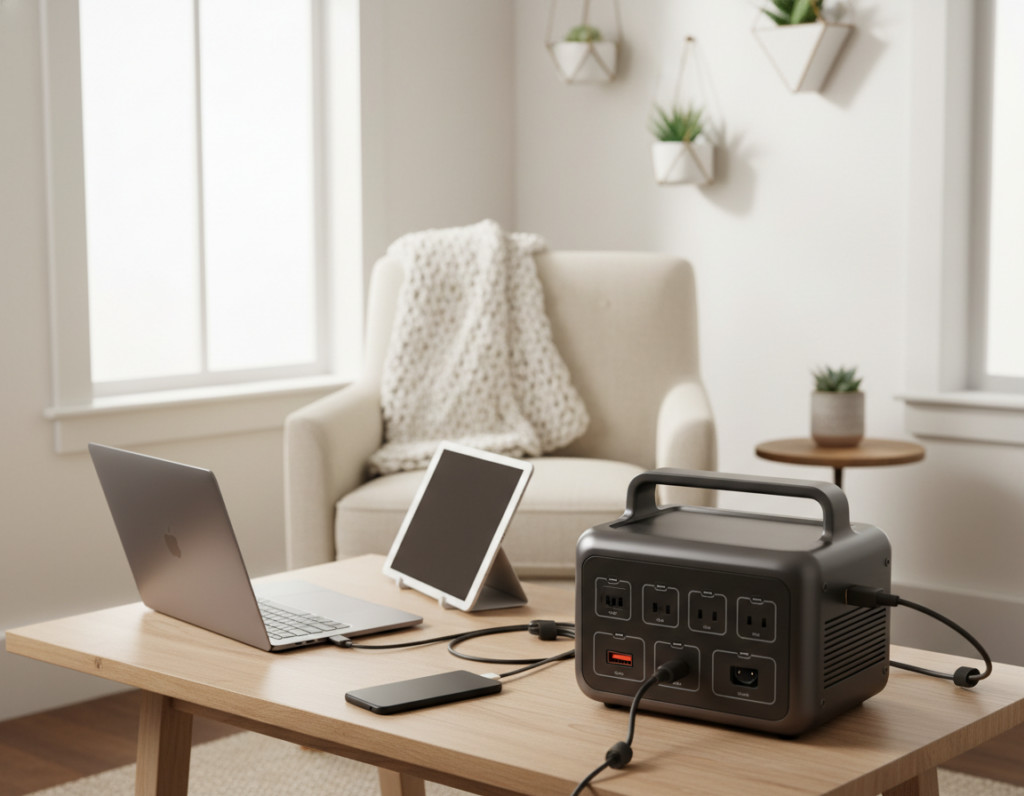
Start with a clear plan: size the battery bank and solar array to match daily draw. A robust solar system is the best long-term way to keep devices charged without shore hookups.
Ventilation matters: installing a MaxxAir fan uses little electricity and prevents condensation. Proper airflow protects gear and improves comfort during warm nights.
- Monitor battery tank levels so you never run low when you need devices or refrigeration.
- Starlink is a high-speed, power-hungry option for remote work; plan for its draw or use it selectively.
- A cell signal booster is a practical electrical addition for staying connected in weak coverage areas.
Design the system for specific needs. Whether someone is a digital nomad or a weekend traveler, the right mix of solar, batteries, and backups creates reliable van life power.
“Match your setup to real use: size components by appliances and expected off-grid days.”
Outdoor and Camp Comforts
A compact camp setup turns a roadside stop into an inviting outdoor room. Good choices make it easy to relax after long days of hiking or driving.
Selecting compact furniture is a priority. Lightweight chairs like the Helinox Chair Zero offer comfort with minimal storage impact. A low-profile table or stool adds function without claiming space.
Selecting Compact Furniture and Gear
Keep a short list of items that earn their place. A picnic rug provides a clean, warm surface for evenings outside. Even in snow, a good rug and insulated seat pad make sitting outside pleasant.
- Pack light: choose gear that folds small and stows fast.
- Smart extras: include a single bluetooth speaker for music and atmosphere.
- Organize: dedicated storage bins keep camp setup and breakdown under a few minutes.
When each item has a clear purpose, the van life rhythm stays focused on exploring, not sorting. This approach preserves valuable space and increases time spent enjoying the outdoors.
Digital Tools and Navigation Apps
Digital navigation and planning tools change how people move and manage their time on the road. These tools make finding routes, services, and trails faster and less stressful.
AllTrails+ is a great option for hikers who want offline maps and route details. Downloading maps in advance keeps hikers safe where reception is weak.
A reliable navigation app is essential for van life. It helps drivers avoid low bridges, narrow streets, and other tight spaces. Users should pick an app that shows vehicle restrictions and road types as an option in settings.
- Carry a backup power bank to keep phones charged; phone power is critical for navigation.
- Always check cell signal strength before you park for the night to ensure connectivity.
- Use apps that locate water, dump stations, and free camping to save time and plan stops.
Mastering these digital options cuts planning stress and gives travelers more time to enjoy the trip. The right tools help preserve both safety and freedom on long drives.
Financial and Document Preparedness
A clear plan for finances and paperwork keeps travelers ready for routine stops and surprises. They should store passports, vehicle registration, and insurance in a secure, easy-access spot.
Carry at least one credit card and some cash. Small vendors and laundromats sometimes take only cash, so a mix of payment options avoids delays.
Make physical backups of emergency contacts and key documents. A laminated card with names, phone numbers, and medical info helps if a phone loses power.
Understand daily costs so the trip is sustainable. Track fuel, food, and campsite fees for a month to set a realistic daily budget.
- Keep originals locked and copies stored separately.
- Review the budget monthly to spot leaks or changing needs.
- Set aside an emergency fund for unexpected repairs or detours.
“Being organized with finances allows travel with confidence and less stress.”
Conclusion
A focused list of gear and routines keeps daily chores short and the trip on track.
By following this packing list, travelers remove clutter and reclaim space and time for real adventure. After years on the road they learn that simple, functional items beat a lot of unused things.
Prioritize safety: a reliable first aid kit and tools for emergencies matter every single day. Pack for hiking in the sun and for winter nights, and keep laundry systems small and fast.
Save room for comforts like a good coffee kit or a small bluetooth speaker, and plan for a strong cell signal when needed. This guide gives the steps to streamline gear so friends and family enjoy more days outside and less time sorting.
Thank you for reading this post — enjoy your travels.