Published January 09, 2026. This concise guide helps readers manage energy needs in compact living spaces. It explains how to keep equipment tidy while ensuring reliable electricity for essential devices.
Designing an efficient system starts with clear planning. They should map device loads and daily usage to avoid oversizing and clutter.
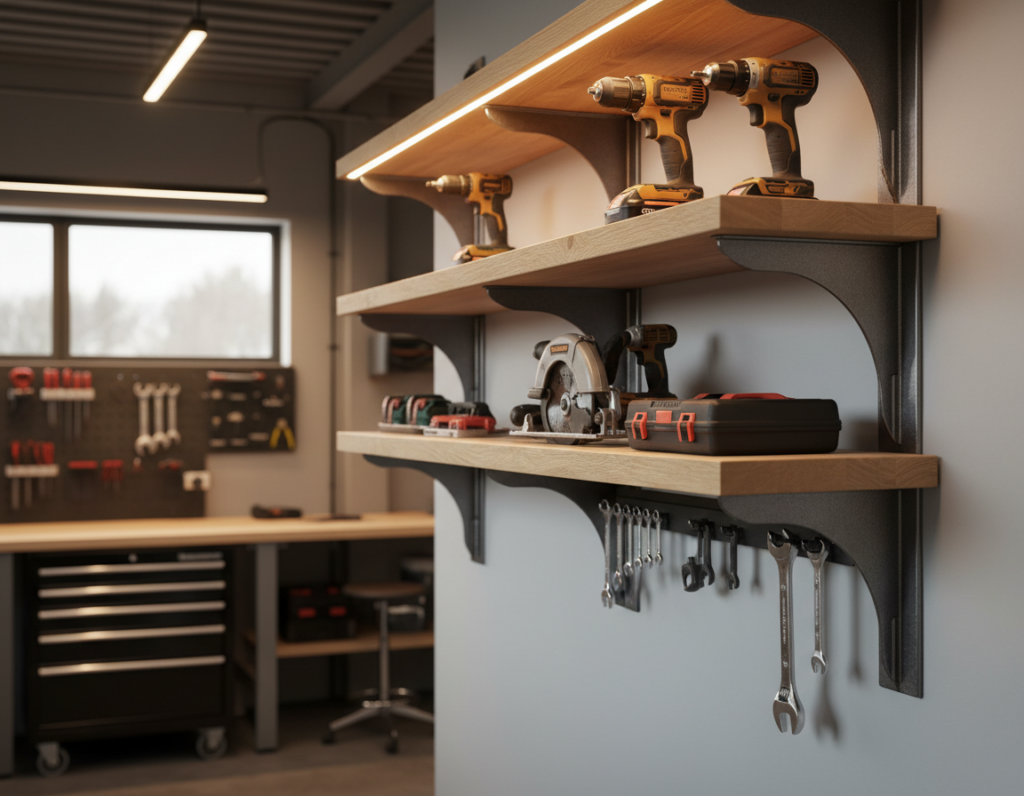
Use vertical storage and custom enclosures to tuck gear out of sight. These choices make a small home feel orderly and intentional.
Modern portable power solutions run quietly and cleanly, so they work well indoors and in apartments. Understanding device requirements is the first step toward a streamlined energy plan.
Key benefits: less visible gear, fast access during outages, and smoother integration with décor. This section sets the stage for practical, room-friendly strategies that follow.
Understanding the Benefits of Portable Power
When a lightweight energy source acts like a mobile wall outlet, it changes what small-space living can support. Residents gain flexible outlets without noisy combustion generators, making indoor use safe and clean.
Key advantages include long-life batteries and stable output. For example, the EcoFlow RIVER 2 Pro weighs just 17.2 lbs, so it suits camping trips and quick indoor moves.
- Units with a LiFePO4 battery deliver high cycle life and reliable storage.
- Built-in charge controller prevents overcharging and overheating for safer charging.
- Pure sine wave inverters supply clean electricity to sensitive electronics and medical devices.
- Multiple outlets — AC, USB-A, USB-C, and 12V car ports — support appliances and daily charging needs.
As a rechargeable battery solution, these units remove fuel storage and fumes from small interiors. They offer a tidy, efficient way to keep electronics running during outages, remote work, or camping.
Assessing Your Energy Requirements
Begin with a device-by-device audit to know exactly how much continuous load you must cover. List each item you want to run, its rated watts, and the hours you expect to use it during an outage.
Calculating Running Watts
Running watts are the continuous draw a device needs to operate. Add the running watts for all critical appliances to get a baseline for capacity.
Multiply that total by the number of hours you plan to run them to estimate required watt‑hours. Online tools, such as calculators from Lowe’s, can speed this math and reduce errors: size guidance.
Identifying Starting Wattage
Starting watts are higher for motors and compressors. Items like refrigerators, pumps, and some air handlers need a surge when they start.
Check device specs and ensure your inverter and station can handle that initial jolt. This prevents nuisance shutdowns and overloads.
- Calculate total running watts before buying any equipment.
- Identify starting wattage for high-draw appliances to confirm surge capacity.
- Allow extra margin for future needs so the system can expand.
- Understand watt-hours vs. output capacity to pick the right battery and runtime.
Selecting the Ideal Portable Power Station Setup
Match battery capacity to real-world use so devices stay on when they need to be. Start by listing essential appliances, their running watts, and expected hours of use.
Mid-sized units from 500–1,000 Wh suit weekend trips and light indoor needs. Larger models over 2,000 Wh or the Jackery Explorer 5000 Plus — which stores 5,040 Wh and delivers up to 7,200 watts — serve home backup and heavy loads.
Check inverter capacity to confirm the unit can handle simultaneous draws. Motors and kitchen devices may need high surge output; an undersized inverter causes shutdowns.
Many modern units allow car charging, giving a flexible way to top the battery while on the move. This adds runtime and keeps the system ready for long outages or travel.
- Match battery and usage for daily and emergency hours.
- Pick inverter output that covers startup surges and multiple devices.
- Invest in quality to ensure reliable backup power for critical electronics.
Designing a Clutter-Free Layout for Small Spaces
Rethinking height — not floor area — is the best move for tight interiors. In small rooms, stacking and wall mounting keep gear accessible and out of the way. This approach preserves walking space and makes daily routines smoother.
Utilizing Vertical Storage
Start by assigning a dedicated shelf or rack for your portable power gear. Mounting units and cords clears floor space and reduces trip hazards.
Smart placement protects the battery from accidental knocks in high-traffic areas. It also keeps connectors tidy and ready for daily use.
- Mount solar panels or store the main unit on fixed shelving to keep the area neat and decorative.
- Use labeled bins for cables, tools, and adapters when camping or traveling to keep campsites uncluttered.
- Route cords along walls and inside cable channels to reduce snags and wear.
- Plan access points so the source can be reached without moving furniture or unpacking gear.
Result: a clean, safe interior that blends energy equipment into the home while keeping functionality front and center.
Essential Components for a Clean Installation
A tidy energy corner begins with the right components, not just good intentions. Selecting high-quality AWG wiring, firm connector cables, and a dedicated base keeps gear secure and neat.
Use manufacturer-recommended charging cables to protect the battery and keep the inverter operating efficiently. Proper cables reduce heat, loss, and wear on outlets and electronics.
Integrate a reliable charge controller when adding solar. A controller manages current to a LiFePO4 battery and prevents overcharging during variable sun and car charging sessions.
- Organize cables with labeled ties and a dedicated rack to keep the area professional.
- Match wire gauge to runs and loads so appliances run without voltage drop.
- Have basic tools—drill, level, and insulated screwdrivers—on hand for firm mounts and safe connections.
Result: a clean, durable installation that protects electronics, improves access to outlets, and makes future maintenance quick and safe.
Integrating Solar Panels for Sustainable Energy
Bringing sun-harvested electricity into a small home extends runtime without adding clutter. This approach keeps the battery charged and reduces grid reliance during outages.
Optimizing Panel Placement
Place panels perpendicular to the sun when possible. Adjust the tilt angle to match local latitude for the best solar power yield.
Tip: seasonal tilt changes boost daily output and extend usable hours for devices. The Bluetti 200W Portable Solar Panel is an efficient option to maintain a station’s capacity when sun is available.
Connecting Multiple Arrays
When combining panels, use a parallel connection cable so voltage stays within the station’s input limits. Proper cabling prevents damage and ensures safe charging performance.
- Use correct connectors and follow manufacturer specs for input and maximum current.
- Aim for at least 500 watts in a multi-panel array for reliable home backup power during severe weather.
- Portable solar choices let users add panels as needs grow without reworking the core battery.
Result: a compact, clean renewable source that keeps devices running and reduces the need for a noisy generator.
Managing Cables and Connections
Neat cable runs and secure connectors protect equipment and make daily access simple. Good routing reduces wear and keeps a small interior tidy.
Use labeled ties and routing channels to guide cords along walls and shelves. This prevents trip hazards and makes it clear which lead goes to the battery, inverter, or outlets.
Confirm every input and output is firmly seated before operation. Loose connectors cause arcing, heat, and unexpected shutdowns of the power station.
- Group AC, DC, and solar lines separately to avoid interference and confusion.
- Keep a short set of spare connectors and a small toolkit near the station for quick swaps.
- Inspect cables monthly for frays, kinks, or corrosion to extend battery and inverter life.
Tip: design quick-release paths to move between car ports, outlets, and solar input without untangling a mess. A tidy connection system makes routine checks faster and safer.
Protecting Your Equipment with Custom Enclosures
Shielding your gear from weather and pests prevents costly failures and downtime. A compact, well-made enclosure keeps a battery, panels, and related equipment safe when in outdoor use or camping.
Measuring for Wood Frames
Measure the unit and add clearance for ventilation and cables. Leave an extra 2–3 inches on each side so connectors and cords plug in without strain.
Tip: plan cutouts for vents and the solar panel input to keep access simple during use.
Building Sturdy Bases
Use 2×4 lumber to create a raised platform that keeps the equipment off damp ground. This simple base prevents moisture wicking into the battery and lowers corrosion risk.
Secure the frame with galvanized screws and add foam or corrugated padding to protect the unit from vibration.
Adding Weather Protection
Top the enclosure with iron roofing or corrugated sheets to shed rain and block wind. Line interior walls with corrugated padding to cut moisture and reduce rattles.
Final advantages: enclosures deter rodents, extend life for solar panels and the battery, and keep gear ready for safe use without a noisy generator.
- Custom enclosures protect equipment in harsh conditions and during camping.
- Raised 2×4 bases prevent ground moisture from reaching the station.
- Weatherproof roofing and padding shield panels and wiring from rain and pests.
Optimizing Battery Health and Longevity
Treat the battery like a long-distance runner: steady, consistent care gives the best results. LiFePO4 cells can reach 2,000–3,000+ cycles when maintained properly, so small habits add up.
Storage and charge: store the unit near 50% charge for long periods. Avoid letting the battery fall below 20% regularly; deep discharges shorten overall capacity and life.
- Avoid extreme temperatures: heat and freezing conditions degrade battery health and reduce usable hours.
- Use manufacturer-approved charging cables to ensure correct voltage and prevent overheating or shorts.
- Monitor capacity via the LCD or a mobile app to track state of charge and plan charging cycles.
- Regular maintenance and gentle, frequent charging preserve battery capacity and extend usable life.
With these steps, owners of a portable power station will get more reliable energy from their rechargeable battery and maximize long-term performance.
Safety Protocols for Indoor Use
Keeping battery systems indoors requires a few simple habits to reduce risk.
Zero-emission units make indoor use far safer than gas generators. They do not produce fumes, so they can power home appliances and electronics during an outage without indoor air hazards.
Debunking Common Safety Myths
Modern units include a robust battery management system (BMS). The BMS prevents overheating, overcharge, and short-circuit events during normal use.
“These devices are designed with multiple fail-safes to reduce fire and shock risks.”
- Ventilation: keep the unit in a well-ventilated area and away from direct heat sources like stoves.
- Temperature control: avoid storing or operating batteries in spaces that exceed 110°F, especially in hot states like Texas.
- Follow manuals: always use manufacturer-approved solar panel cables and charging guides to maintain safety and warranty coverage.
- Tidy layout: an organized area reduces accidental damage to batteries and lowers the chance of short circuits.
Result: when used correctly, a portable power station delivers reliable home backup without the fumes and noise of a generator. Small habits keep the system safe and ready.
Conclusion
,Smart choices in device placement and capacity help a small interior stay orderly and resilient.
This guide shows how to assess needs and pick the right battery capacity so a home stays ready during outages. Integrating solar panels or portable solar power adds renewable charging and extends usable hours.
Simple maintenance and clear cable routing protect equipment and extend its life. These solutions run quietly and fume-free, unlike a noisy generator, giving reliable backup power for camping or emergency use.
With the right plan, a compact, tidy energy corner keeps devices on and living spaces uncluttered for years.