She learned to live efficiently in a converted triple dorm room. Daily routines kept her room usable and calm. Simple habits cut clutter and saved time each morning.
A clear routine starts with assigning a spot for each item before buying more. Using every wall and adding shelving or a slim shelf frees valuable floor area. Vertical solutions and over-the-door hooks offer extra storage without heavy furniture.
Making a habit of returning clothes, dishes, and work items to their bins or closet stops clutter from growing. Whether it is a coffee table tray or a narrow cabinet, small storage choices add up to a tidy living room and bedroom.
For more practical ideas on decluttering and clever storage, see this guide on storage ideas for compact rooms.
The Philosophy of Small Space Organization
Lynn argues that arranging a home with intent beats aiming for stark minimalism. She writes from her 1,300 sq. ft. home near Chicago and frames the approach as practical and mindful.
When planning each room, she asks how the bedroom, living room, and entry must function for daily life. This clarity guides choices about furniture, shelves, and wall decor.
- Prioritize purpose: pick pieces that serve a clear role for the family.
- Hide what you can: clever storage keeps clothes and other things tucked behind a closet door.
- Invest time: curating furniture and decor slowly makes a living space feel larger and calmer.
“Intentional edits, not austerity, create a home that supports daily life.”
Mastering the Art of the Purge
The mental hurdle of letting go is real. Many keep things for years because of guilt, what-ifs, or habit. The author once held binders of handwritten college notes for seven years before finally deciding to purge.
The Mental Block of Letting Go
She learned that naming the reason to keep an item helps. If a binder no longer serves study or reference, it no longer earns a spot in the home.
Sorting Items into Categories
Sort by use: keep, donate, recycle, or trash. Grouping things clears floor and closet clutter fast.
- Clear a coffee table and work desk first to regain visual calm.
- Use bins and shelves so every item has a designated spot.
- Freeing floor area makes a bedroom or kitchen feel more open.
Mastering the purge is the fastest way to reduce clutter when storage is limited. With regular reviews, furniture and shelving serve purpose, not piles.
Defining Functional Zones in Compact Rooms
Defining clear activity areas helps a compact room feel purposeful and calm. She uses furniture and mobile carts to carve out zones that match daily routines.
The IKEA RASKOG rolling cart becomes a movable work zone in the living room or bedroom. It holds supplies, chargers, and papers so work items stay contained and off the floor.
Use a coffee table or a narrow desk to separate a lounging area from a work nook. A bed or shelving can mark the sleep zone without bulky dividers.
- Maximize floor space: keep walkways clear by grouping related items.
- Use the wall: add shelves or hooks when closet and wall area are limited.
- Give each zone a purpose: kitchen tasks, work, and rest should each have defined storage.
“Zones reduce clutter by telling you where things belong.”
It takes time to arrange items, but once zones are set, daily tidy routines become quick and natural.
Maximizing Closet Storage Potential
A well-planned closet can transform a cluttered corner into a reliable staging area for daily life.
She replaced three closets with the IKEA ALGOT system (now BOAXEL) and found the biggest gains came from modular rails, baskets, and adjustable shelves. That setup allowed her to customize each closet for clothes, shoes, or linens.
Installing Custom Closet Systems
Custom tracks and shelving make it easy to move shelves as needs change. Adding a narrow cabinet or extra shelf clears clutter from the floor and makes a bedroom feel larger.
- Use the door: hang shoe or accessory organizers to add instant capacity.
- Mix drawers and open shelves: keep daily items visible and seasonal pieces tucked away.
- Plan first: measure and map where clothes, shoes, and boxes will live before buying components.
It takes time to get the layout right, but once installed the result is fast access to items and less daily tidying. The right system turns a closet into an efficient part of the home and reduces visible clutter in living and bedroom areas.
“A tailored closet is the simplest way to make more usable room and save time every morning.”
Creative Uses for Underutilized Areas
Unused corners often hide the best chances to add usable storage or a work spot.
She converted an 8′ x 8′ basement storage room into a functional home office and a compact workout area. That project shows how a modest area can serve two needs without clutter.
Look under stairs, behind a closet door, or above a hallway for extra storage. Adding narrow shelves on a wall or a slim coffee table with hidden bins keeps floor space clear.
Use vertical solutions—tall shelves, peg rails, and stackable bins—to hold office items, blankets, or workout gear. These choices free the bed and living room from piles.
- Find a quiet corner for a fold-down desk or a rolling cart for work.
- Store rarely used items higher and keep daily things within reach.
- Take time to test ideas; patience uncovers the best spots.
“Hidden nooks, when tamed, become the easiest route to less clutter.”
Keeping Floors Clear for Better Flow
Donnie insists that the best tip for daily tidy living is simple: never leave items on the floor. This rule helps a room feel open and keeps traffic paths free.
Move shoes and bags into a closet or onto dedicated shelves. Put bins under a table or tuck them behind a door. These small shifts protect floor space and cut clutter quickly.
Free floors also make cleaning faster. Vacuuming and sweeping take less time when furniture and storage bins are out of the way. Over time, the habit of not using the floor for storage becomes automatic.
- Store shoes off the floor: use a slim rack or a closet shelf.
- Keep daily items visible: designated hooks or cubbies reduce piles.
- Limit floor furniture: choose pieces that lift off the ground for easy access.
“Clear floors create flow and make every room in the home feel more inviting.”
Leveraging Vertical Wall Space
Turning bare walls into useful surfaces changes how a room functions. Using walls for shelving and hooks moves items off the floor and keeps daily routines smooth.
Installing Floating Shelves
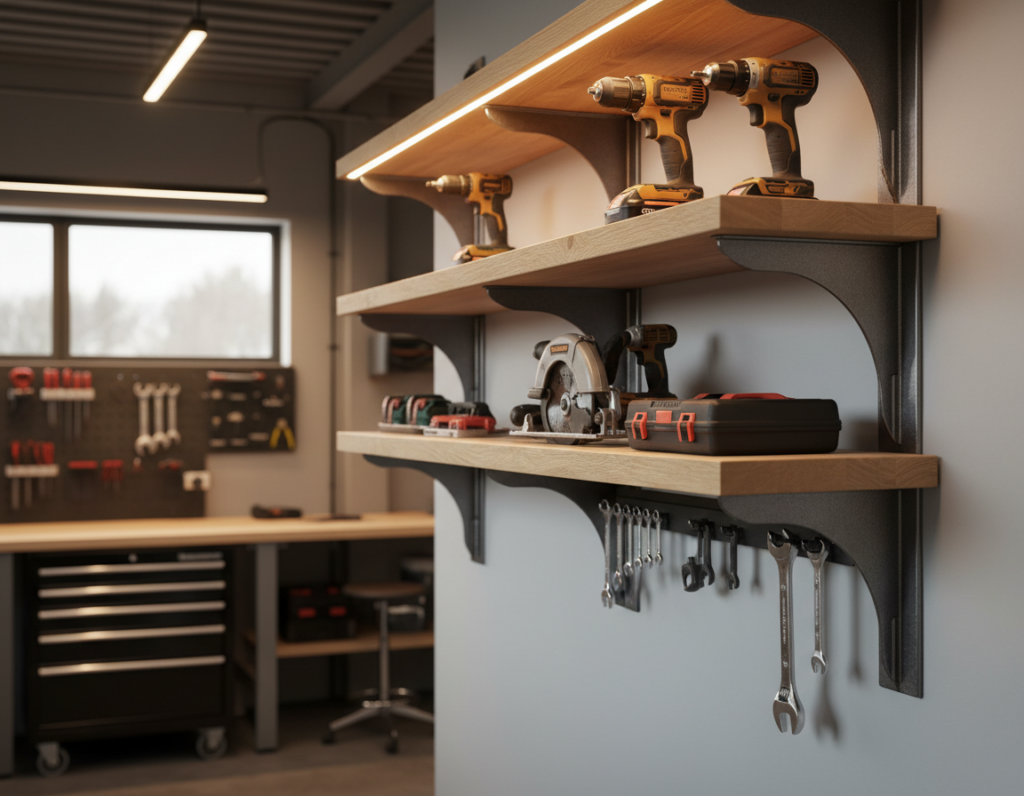
Floating shelves add storage to a bedroom or living area without taking up floor space. They are ideal for books, decor, and frequently used items that need to be within reach.
Mounting takes a little time, but the payoff is extra shelf area and a clearer table or dresser surface. Measure first, anchor to studs, and mix open shelves with a closed box to hide clutter.
Using Pegboards for Supplies
She mounted a pegboard above her desk to hold craft supplies. The board doubles as wall art and keeps her desktop clear of tools, scissors, and cords.
Pegboards are flexible: move hooks and baskets as needs change. They work well above a table, near a closet, or beside a bed to store chargers, brushes, and small boxes.
- Use every wall: even narrow strips can hold shelves or a peg rail.
- Keep items visible: easy access reduces clutter and saves time.
- Think vertically: shelves and boards free up floor space and make a room feel larger.
For more ideas on converting walls into storage, see this guide to vertical storage solutions.
Being Selective with New Acquisitions
New purchases begin with one question: does this item have a home? That quick check forces a pause and saves time later.
If it lacks a clear spot on a wall, shelf, or behind a door, it probably shouldn’t come in. She applies this rule to clothes, gadgets, and furniture before they enter the living or bedroom.
Resisting impulse buys takes practice. Over weeks, it becomes easier to say no to things that add clutter but not function.
Limit what you allow into the home by asking whether each item improves daily life. Keep only pieces that earn a place and make routines faster.
- Assign a spot before you buy.
- Prefer items that serve multiple roles.
- Wait 48 hours on nonessential purchases.
“Choosing less is the simplest habit for long-term order.”
Choosing Multi-Functional Furniture
Choosing pieces that work for more than one task lets a home feel larger and run smoother. In compact rooms, picking the right furniture reduces clutter and saves time each day.
Storage Ottomans and Coffee Tables
Storage ottomans hide blankets, chargers, and extra clothes while offering extra seating. They tuck under a table or beside a bed and keep the floor clear.
The author uses an oversized coffee table as a dining surface, a game table, and a storage unit for board games. That single piece replaces a dining table and a storage chest in the living room.
- Pick furniture that serves at least two roles to limit extra purchases.
- Match pieces to both living and kitchen needs when possible.
- Choose items that lift off the floor for easy cleaning and quick access.
It takes time to find the right items, but multi-functional furniture keeps rooms tidy and makes daily routines quicker. Every piece should earn its spot by doing more than one job.
“Versatile furniture is the smartest way to buy less and gain more.”
Smart Storage for Media and Electronics
A tidy media area begins with a single rule: designate a home for every device and its cords. This stops the living room from feeling overwhelmed by gadgets and loose cables.
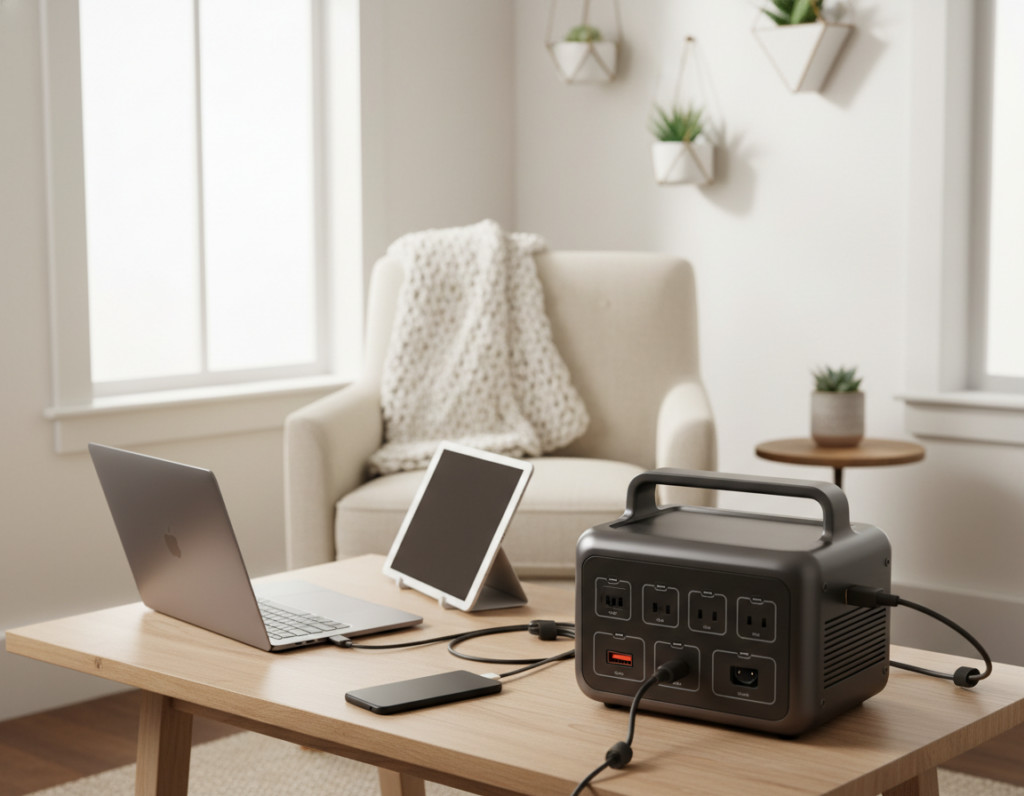
Wall-mounted shelves keep consoles and routers off the floor and free up a table or cabinet for other items. Mount a power strip behind the shelf to hide cords and make devices reachable without tangles.
Choose furniture that hides gear and offers airflow for electronics. A low TV stand with a rear cutout or a bench with built-in storage can hold remotes, chargers, and gamepads.
- Label cables so you save time when swapping devices.
- Group items by purpose—streaming, audio, and charging—so everything has a place.
- Plan wall routing to keep cords neat and reduce visible clutter.
“A clear plan for media storage makes the living area more welcoming and easier to maintain.”
Utilizing Decorative Baskets and Bins
Using attractive bins gives every item a quick home and keeps surfaces visually calm. In a small space, baskets hide clutter and act like low-profile decor.
Decorative baskets and bins hold blankets, clothes, chargers, and other things while adding texture to your living room or bedroom. Slide a basket under a coffee table or tuck one beside the bed to free up floor sightlines.
Place matching bins on shelves or by the door to corral daily items. This simple storage trick reduces visible clutter and saves time when tidying.
- Choose durable materials that fit your home’s palette.
- Mix sizes so larger items fit and small items stay contained.
- Label baskets for faster routines and consistent upkeep.
“Baskets turn chaos into calm and make neatness easier to keep.”
It takes time to find the perfect pieces, but the payoff is clear: functional, stylish containers that make every living space easier to maintain.
Optimizing Kitchen and Pantry Efficiency
Designing pantry systems around how food is used daily makes meal prep faster and less chaotic. A clear plan for storage and zones helps the kitchen run smoothly and keeps counters clear.
Using Rolling Organizers
Rolling organizers are a flexible way to add extra storage behind a cabinet or beside a table. They glide out for access and tuck away when not in use.
Use a narrow cart for oils, snacks, or cleaning supplies so every item has a home and is easy to find.
Stacking Pantry Containers
Stacking containers maximize vertical space on shelves and in a closet pantry. Clear canisters show contents at a glance and save time when cooking.
Label lids or fronts to speed retrieval. Group like items together and rotate older goods to the front.
Magnetic Spice Racks
Magnetic spice racks attach to the fridge or inside cabinet doors and reclaim valuable shelf space. This is a great way to free up shelving for bulk supplies.
- Mount jars on the fridge for quick access while cooking.
- Install racks on cabinet doors to keep counters clear.
- Combine racks with stacked containers and a rolling cart for a tidy, efficient pantry.
“A little upfront work creates a kitchen that supports daily routines, not piles.”
Managing Laundry Room Clutter
A compact laundry area can quickly become the house’s clutter hotspot without a clear plan.
Keeping things off the floor matters. Add shelves and wall hooks to store detergents, baskets, and spare linens. A narrow shelf above the machines frees room for a folding table below.
Designate a folding surface—even a pull-out board or small table—so clothes are folded right after drying. A marked sorting bin for colors and delicates stops piles from migrating into the living or bedroom.
Install a peg rail or adhesive hooks on the wall for damp items and reusable bags. Use labeled bins on a shelf to group supplies so nothing drifts into other spaces in the home.
- Give each task a place: sorting, washing, folding, and storing.
- Use vertical options: tall shelves or wall rails save floor area.
- Expect small wins: it takes time to build a reliable system.
“A tidy laundry room keeps the rest of the house calm.”
Implementing Digital Filing Systems
A digital filing system replaces bulky cabinets with cloud folders you can access anywhere. Scanning important papers and naming files makes retrieval fast. This method frees floor and shelf space in a bedroom or office closet.
Begin by deciding what to keep: tax forms, warranties, and medical records first. Use a consistent naming scheme so files are easy to find. Back up copies to a secure cloud service for quick access from any device.
It takes time to digitize years of papers, but she found the effort paid off. Once files live online, bulky drawers and cabinets become available for furniture or storage that supports daily living.
- Scan in batches: tackle one drawer or box at a time.
- Use searchable PDFs: OCR makes text findable and fast.
- Set a maintenance day: schedule quarterly reviews to delete or archive files.
“Going digital reduces paper clutter and makes record-keeping simple.”
This habit improves long-term organization and clears common areas and other spaces of unnecessary paper. Every home benefits from a clearer environment and faster access to important records.
Daily Habits for Long-Term Maintenance
A few minutes of tidy work each day prevents a messy pile from becoming a weekend project.
Make sure shoes go to their shelf and coats hang on a hook when you arrive. Clearing the table after meals keeps the living and kitchen areas usable and calm.
Every item should have a spot. When things return to a closet, shelf, or bin, the bedroom and living areas stay clearer. That habit saves time and reduces the urge to stash items on the floor or a chair.
- Five-minute tidy: set a short timer each evening to return things to their spot.
- Quick closet check: spend two minutes re-folding or re-hanging to prevent piles.
- Work reset: clear the table and charging area so work zones stay ready.
“Consistent maintenance is the key to enjoying your home and keeping living areas welcoming.”
Conclusion
Keeping daily habits simple is the fastest way to preserve a calm, usable home. Small, purposeful routines and intentional storage choices prevent clutter from returning and make maintenance brief.
Declutter regularly and use vertical shelves, hooks, and multi-functional furniture to make rooms work harder. These practical moves save time and keep living areas functional and welcoming.
Organization is ongoing: a five-minute tidy each evening and a quick weekly check preserve gains. With consistent effort and clear habits, anyone can create a home that feels spacious, restful, and tailored to everyday life.