Living in a Sprinter van like Frieda demands careful organization. Full-time travelers make deliberate choices so every item has a purpose. This method keeps the interior tidy and ready for the road.
Many prioritize multi-use gear to get the most from limited space. This way, essentials stay accessible and flexible for daily use and trips.
Proper layout lets them reach ropes or camping tools from the back quickly. They plan shelving, straps, and modular bins to reduce clutter and speed access.
The result is a functional home on wheels that supports an active life. With clear priorities and smart systems, travelers keep equipment ready for the next adventure.
Assessing Your Van Storage Potential
Start by mapping every shelf, cubby, and hidden nook to know how much usable space exists. This quick audit shows where items like kitchen tools, clothes, and food can go.
Measure each area in inches and note the side panels, door pockets, and floor hollows. Hidden compartments under benches or floors often hold goods you don’t use daily.
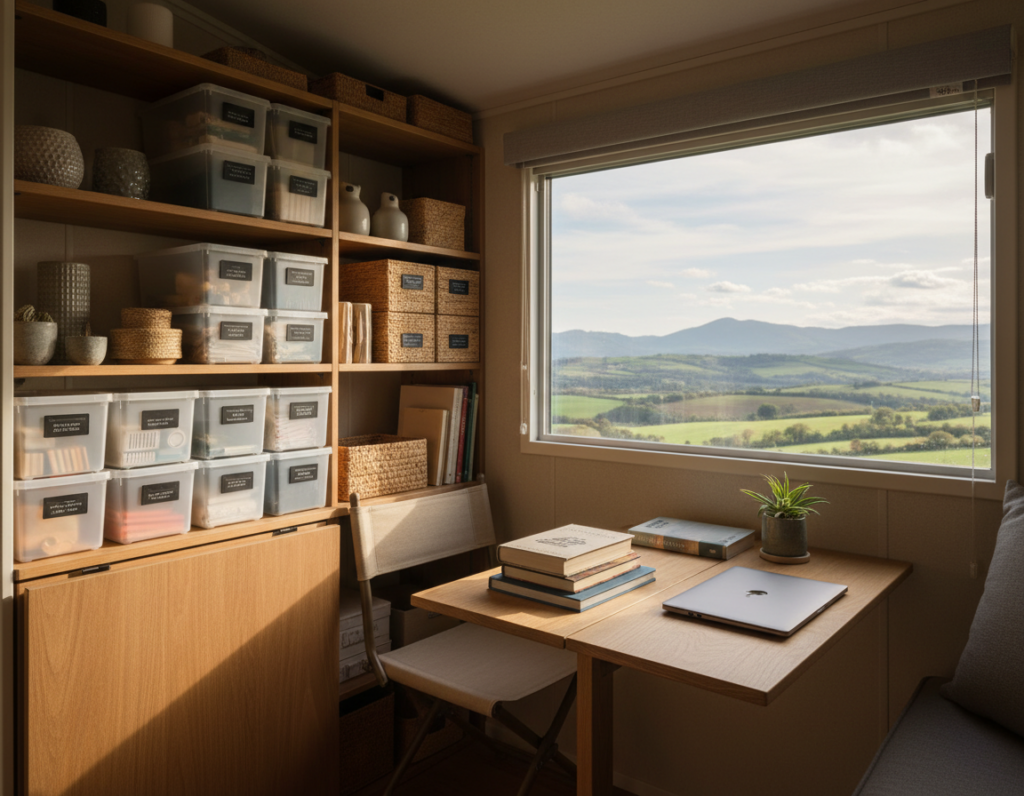
Using bins to group things helps prevent clutter and keeps the living area tidy on the road. Properly labeled bins make life simpler when time is short.
- Measure every inch before packing to visualize placement.
- Plan drawers, racks, and cabinets for frequently used tools and clothing.
- Check the wall and garage areas for extra ideas, and look under floors for secret space.
“A methodical layout saves time and ensures everything has a place.”
For more practical layouts and equipment suggestions, see these van storage ideas to make life on the road easier.
Designing a Functional Sports Gear Storage Van Setup
Thoughtful placement of bins and racks converts cramped corners into functional zones. A clear plan helps travelers keep items visible and within reach before each trip.
Categorizing Your Gear
Group like items so backpacks, tools, kitchen supplies, and clothing live in defined bins. This makes it easy to grab what is needed for a day on the road.
Labeling bins speeds retrieval and cuts down on time spent searching. Stackable containers keep clothes and food tidy and protect fragile items.
Measuring Every Inch
Before installing drawers or racks, measure each cabinet, shelf, and floor hollow in the camper van. Knowing exact inches lets the design use every inch effectively.
- Measure openings and note depth for drawers and bins.
- Design racks so frequently used items stay in easy reach.
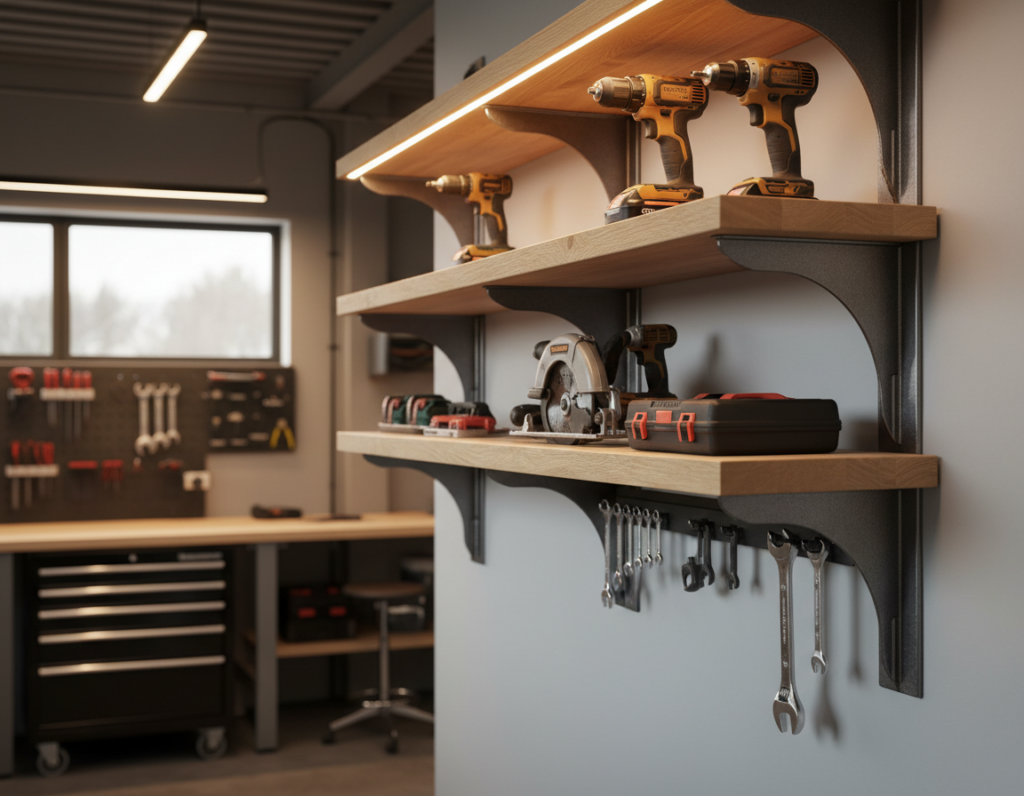
- Plan a garage area for tools and pet supplies to keep the living area clear.
“A place for everything reduces clutter and saves time.”
Utilizing Vertical and Overhead Space
Unused ceilings and walls are untapped real estate that can transform cramped interiors. Converting vertical planes into holding zones keeps the floor clear and helps travelers reach essentials fast.
Ceiling and wall mounting techniques make bulky items manageable without heavy builds. Simple panels, mesh nets, and shallow shelves add a few extra inches of useful area.
Ceiling and Wall Mounting Techniques
Install low-profile metal racks across the roofline for long items and soft nets for lightweight clothing and shoes. Mount hooks on the side panels or doors to hang tools and kitchen utensils.
Use narrow shelves on the wall for shoes and folded clothes. A slim panel near the door holds everyday items like keys, a flashlight, or a compact toolkit.
- Wall racks and ceiling nets free floor room for living and sleeping.
- Mount items on the side or doors to use every inch efficiently.
- Shelves and hooks keep clothing and tools off the floor and easy to reach.
“A tidy overhead system turns wasted space into reliable, accessible holding areas.”
Implementing Drawer and Cabinet Systems
Smart pull-out drawers and shallow cabinets make daily life simpler in a small camper van. In Frieda, everything listed fits into a single drawer in the back, proving that careful planning saves space and time.
Pull-out drawers under the bed or dinette benches are ideal for bulky bedding, cookware, and extra clothes. They keep items secure and accessible, so the traveler spends less time searching and more time moving.
Using labeled bins inside cabinets prevents things like food, kitchen tools, and clothes from sliding while on the road. A dedicated drawer system at the back keeps frequently used gear within easy reach.
- Install a slide-out system for bulky items and seasonal bedding.
- Use bins to group kitchen, tools, and clothing by function.
- Design drawers so each piece has a clear place to return after use.
“A well-designed drawer setup saves time and keeps the living area clean.”
Managing Clothing and Personal Items
A clear routine for clothes and personal items prevents clutter and speeds daily tasks. In a small camper, habits matter as much as hardware. Travelers who assign a few regular places for clothes and personal items save time each morning.
Using Packing Cubes
Packing cubes are a simple, effective solution. Use one cube for shirts, another for pants, and a small one for socks and underwear. This keeps clothing compact, clean, and easy to pull from a drawer or shelf.
Managing Laundry
Keep dirty clothes in a small laundry basket or a foldable bin. This separation stops odors and prevents clean items from mixing with soiled pieces.
Designate a laundry day and a place to air garments when possible. Many travelers carry a tiny wash kit to freshen shirts and socks between stops.
- Using packing cubes for your clothing saves space and keeps shirts and pants organized.
- Store items like shoes and personal tools in separate bins to avoid clutter.
- Manage laundry with a collapsible basket to keep clean and dirty items apart.
“Life in a camper improves when every piece of clothing has a place.”
Creative Solutions for Kitchen and Pantry Goods
Making pantry items visible and secure turns a tiny kitchen into a reliable prep zone. Use hanging baskets for produce and label jars for dry goods to keep everything tidy and fast to find.
Secure loose gear and containers with bungee cords or no-slip mats so items stay put while driving. A dedicated food bin in the van garage keeps snacks and dinner ingredients within easy reach of the living area.
Small racks and custom holders work well for water bottles and utensils. Install narrow rails or slide-out trays to free counter space and protect items during motion.
- Use labeled bins for food and dry goods to save time and cut waste.
- Hang baskets near the galley for fruit and quick-access snacks.
- Keep tools and kitchen items in a single, marked place to preserve order.
- Use clear jars for grains and spices so contents are obvious at a glance.
- Secure everything with straps or mats to avoid spills on the road.
“A small, well-marked pantry makes meal prep simple and dependable.”
Storing Bulky Adventure Equipment Outside
Secure boxes and racks on the exterior let travelers carry heavy loads without crowding living areas. Exterior solutions keep the interior tidy and ready for daily use.
Rear door storage boxes are a popular choice. An Owl Vans Medium Expedition box on the passenger side door adds usable space on the back of a Sprinter van. It holds oversized items like a 70m Sterling Fusion Nano IX rope and reduces interior clutter.
Rear Door Storage Boxes
Mount a lockable box to the doors to store tools, firewood, or dog supplies. Durable bins on the back keep items organized and easy to reach before a trip.
Hitch Racks
Hitch racks and side-mounted boxes carry extra fuel, water cans, or bulky tools. They clear the garage area and let travelers load heavy pieces without blocking living space.
Protecting Gear from Elements
Use water-resistant bags like the Overland Gear Guy Spare Tire Trash Bag for damp items. Sturdy boxes and weatherproof bags protect contents from rain and road dirt.
- Keep heavy items outside to limit interior clutter.
- Lock boxes to secure tools and valuable items.
- Plan mounts so the dog gear and bins stay apart from living areas.
For additional ideas on efficient setups, review camper van storage ideas or see a quick example layout on the sample page.
Organizing Small Tools and Tech Gear
A compact system for small tools keeps everyday tech within reach and prevents last-minute scrambles. Travelers use seat organizers and purpose-built cases to protect delicate electronics and hold small items like cords, batteries, and adapters.
The Overland Gear Guy Sprinter III Seat Organizer is ideal for charging cords, dog waste bags, and business cards. It places essential items in easy reach while driving so they stay accessible and tidy.
The Radius Outfitters Starlink Storage Case features a foam insert cut for the Dishy and modem. This case gives a secure home for internet equipment and reduces damage risk during transit.
- Use small drawers or labeled bins to group items and avoid clutter.
- Keep kitchen tools and tech gear in separate drawers so food and electronics do not mix.
- Store fragile tech in foam cases and loose tools in shallow bins for quick access.
“A dedicated spot for cords and tools means fewer searches and faster setup.”
Maintaining Order Through Regular Tidying
A short, daily tidy keeps the living area functional and prevents small messes from growing. Small habits make a big difference on the road. Consistent resets stop clutter before it spreads and save time later.
Start with a quick sweep every evening. Put tools, kitchen items, and clothes back in their place. Check cabinets and wall pockets so nothing slides into hidden nooks.
Establishing a Daily Reset Routine
Set a five- to ten-minute ritual after dinner: close bins, stack things neatly, and wipe counters. If a bigger mess builds, schedule a deeper tidy every few days to restore order.
- Tidy regularly: keep every inch ready for use and prevent clutter from growing.
- Return things to place: store food, clothing, and tools where they belong to save time in the morning.
- Check key areas: cabinets, bins, back compartments, and doors for loose goods or pet items.
“Putting things back after use is the easiest way to keep a small living space usable.”
Conclusion
An organized approach turns cramped quarters into a calm, usable home for life on the road. By using every inch of space and thinking in zones, travelers reduce clutter and move faster each day. A clear storage setup keeps essential items accessible and protected.
Organization is iterative. They should test layouts, trim what they do not need, and adapt systems as routines change. With consistent tidying and smart planning, gear and daily items stay ready for use, and daily life becomes less stressful.
With simple upgrades and steady habits, any small camper can become a reliable basecamp for long trips and active weekends.